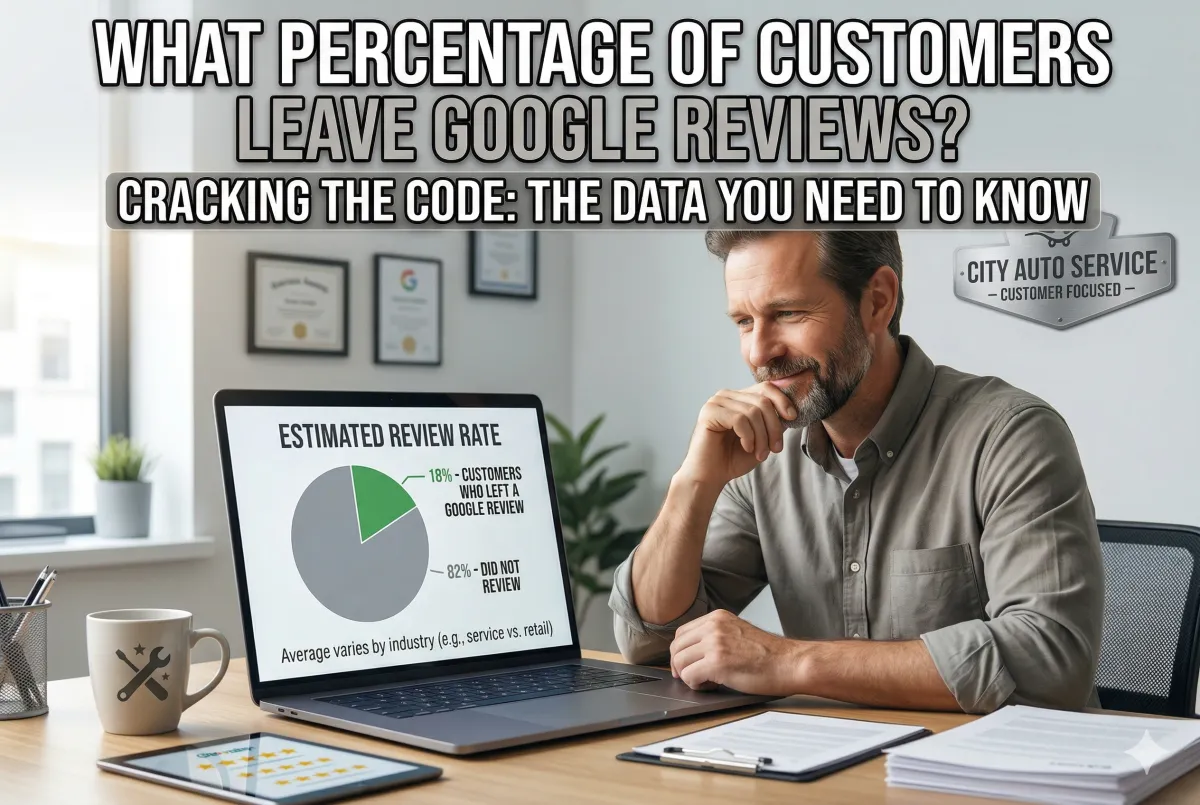
What Percentage of Customers Leave Google Reviews?
What Percentage of Customers Leave Google Reviews?
Most business owners are surprised to learn how few customers leave reviews unprompted — and how dramatically that number changes when you put a proper system in place.
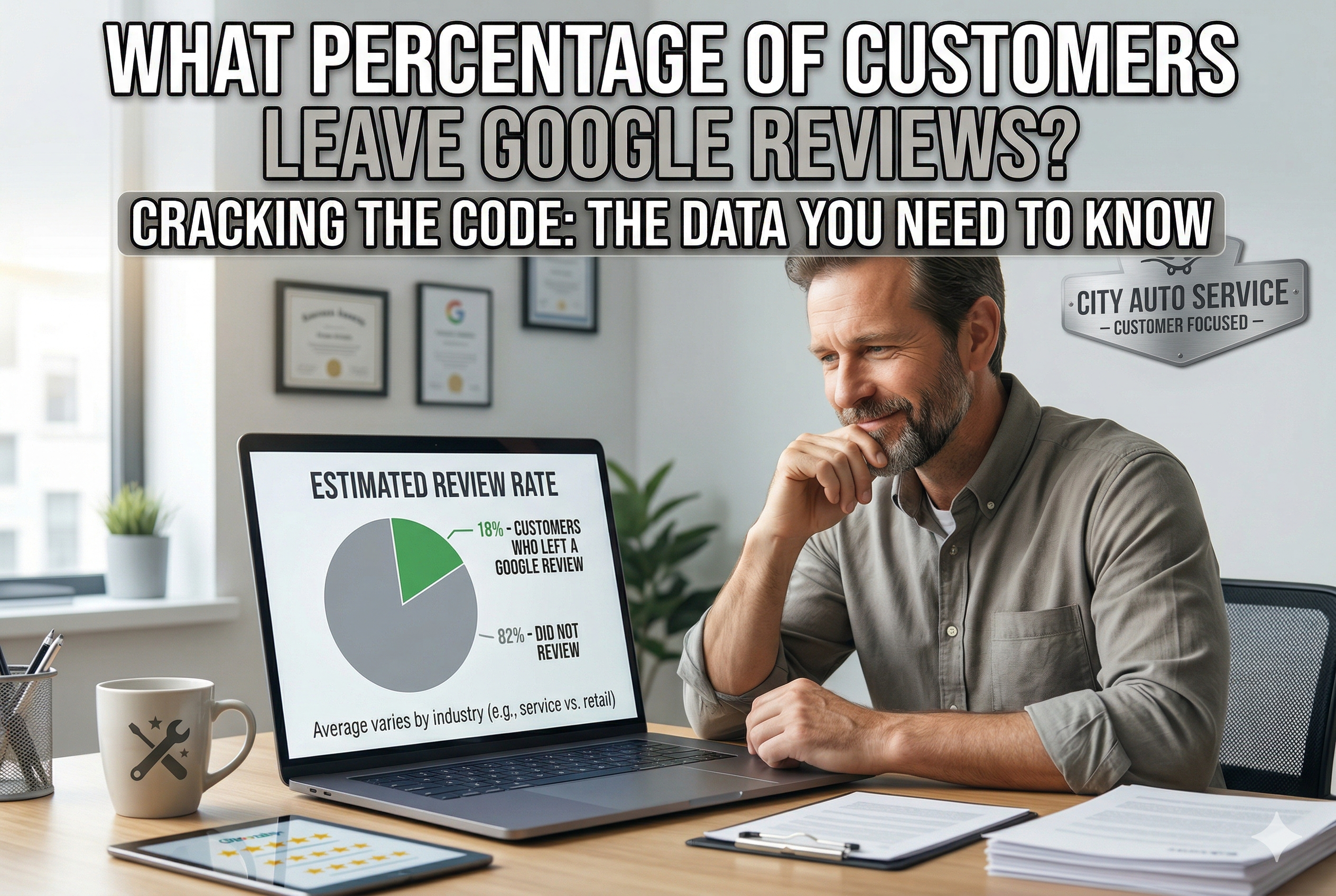
The Unprompted Review Rate
Industry research suggests that fewer than 5% of customers will leave a review without being asked. That means for every 100 happy customers, you’re likely getting fewer than 5 reviews organically. If your review count has been growing slowly despite good service, this is almost certainly why.
What Happens When You Ask?
When you ask directly - face-to-face, with warmth and a clear reason - that conversion rate can rise significantly. Add a follow-up sequence and a direct link, and you can realistically convert 20 to 40% of asked customers into reviewers. That’s a 4 to 8x improvement simply from having a system.
Factors That Affect Your Rate
Your review conversion rate is affected by several factors: the timing of the ask (immediately after service is best), the channel (SMS tends to outperform email for consumer businesses), the quality of the message (personal beats generic every time), and the ease of the process (direct link vs searching for your page).
Track It and Improve It
If you’re using a review automation platform, you’ll be able to see your request-to-review conversion rate. Most businesses start around 10 to 15% and improve to 25 to 35% with optimised messaging and timing. Treat it like any other marketing metric and you’ll keep improving it.
The gap between your current review count and what it could be is almost entirely explained by the ask. Start asking, and start measuring.
